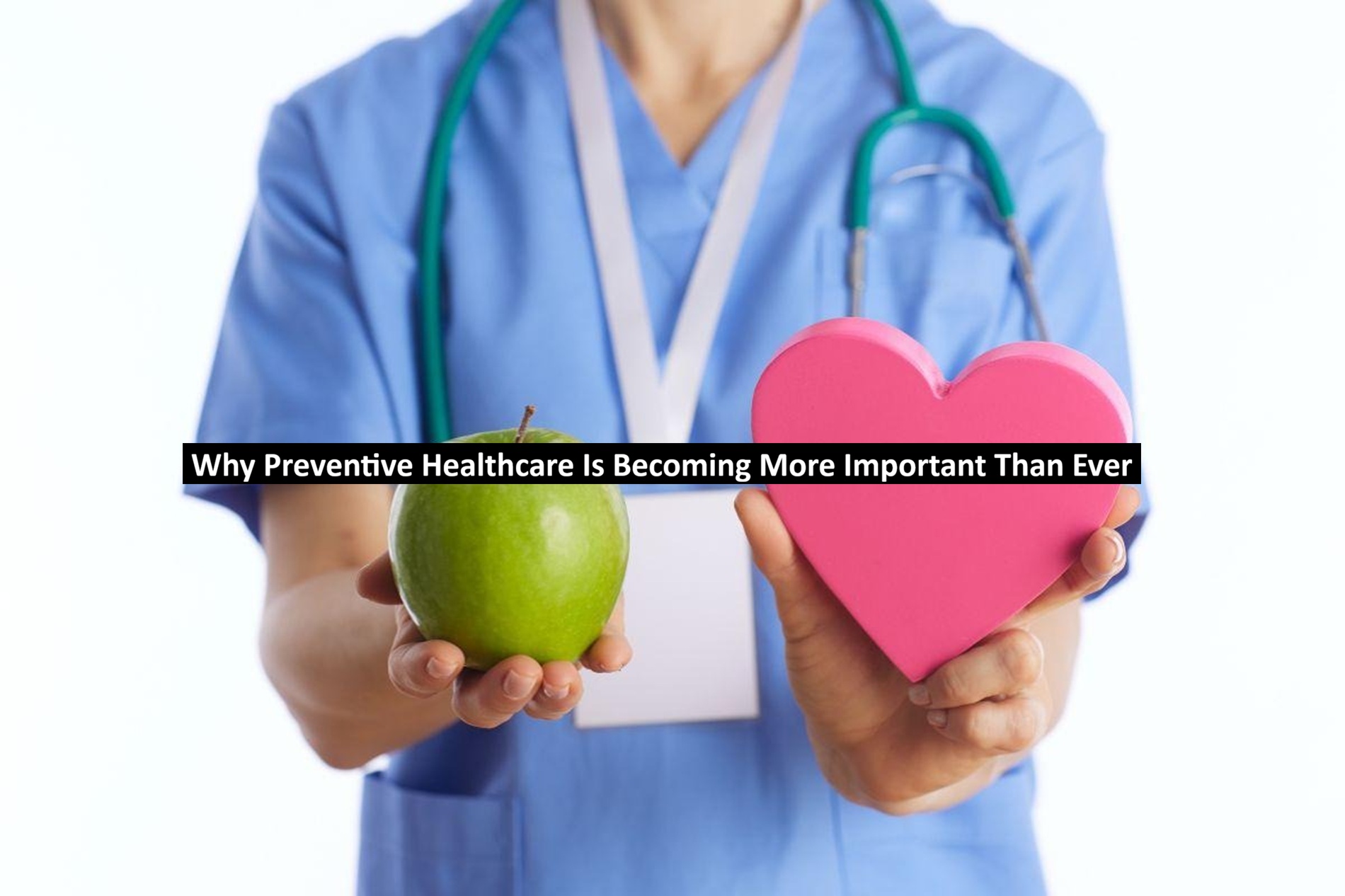
Preventive health care can be defined as “the ongoing health maintenance of the human being” which in the most basic of terms involves steps that actively seek to protect people from contracting illnesses or chronic conditions in the future. Instead of waiting until your symptoms become symptomatic and noticeable, preventative care focuses on proactive actions such as medical checkups, immunizations, taking care of yourself and getting prompt medical treatment.
Given the increase in chronic disease, the growing proportion of elderly people, the expense of treatment in general, preventive medical checkups have not ever more become as relevant as now. In the government, in the health organizations in general and the health centers on the whole urge citizens to choose a more healthy way of life, healthy life style contributes a good over the period of time.
What Is Preventive Healthcare?
Preventive care can also mean the range of activities people can take to prevent disease, treat condition, and improve quality of health, while living to their full potential. Lifestyle and preventive services can take the form of the regular check-ups, including screenings, health check-ups, flu shot, diabetes, blood pressure checks, cholesterol and screening of all the types of cancer. Eye and teeth examination come under Preventive care for the general check up.
In addition, healthy lifestyle choices can have a major impact on preventative health care: healthy eating, getting enough physical activity, managing stress and sleeping enough, using no tobacco or alcohol, and refraining from heavy drinking. These healthy practices contribute to having good health for a lifetime.
Read: Style Tips To Help You Look Fashionable Every Day
Early Detection Saves Lives
One huge advantage of preventive health care is its ability to diagnose diseases in their early stages. There are a number of life-threatening conditions such as heart disease, diabetes and some types of cancer that may develop slowly and can go unnoticed until they reach an advanced stage. A patient’s medical checkups can include screening tests to enable medical professionals to detect such issues early.
Diagnosis at an earlier stage will mean that treatment will be more successful and it may be more economical, lead to quicker recovery, and the best quality of health and life.
Reducing the Risk of Chronic Diseases
Globally, chronic disease remains the #1 killer and the #1 healthcare spenders, of all disease categories. Preventive medicine helps foster healthy attitudes and actions that help patients prevent risk-taking of obesity, heart disease, high blood pressure, and type 2 diabetes.
A Healthy Lifestyle The great news is that many long-term risks can be minimized, through lifestyle change and healthier choices, such as eating a healthy diet, keeping an ideal weight, exercising, and learning to manage the stress. When you take on the role of you physician and the role of you preventative health team you take greater ownership of your health outcomes.
The Role of Vaccinations
One of the very best preventative strategies available in healthcare today is vaccination, an intervention designed to prevent individual people from developing and transmitting diseases and to reduce illness. Child vaccines, flue vaccines and recommended adult immunisations all enhance overall public well-being.
If we have high rates of vaccination it means that the elderly as well as infants, young adults and people that have weaker immune systems aren’t going to get sick. It reduces their chances of hospitalisation so you have a healthy population.
Mental Health Is Part of Prevention
Preventive care also encompasses mental and emotional health, not just the physical health. Incorporating regular mental health assessments, managing stress levels, getting enough sleep, having a support network and access to counseling services lower the probability of developing depression and anxiety.
This type of early identification helps individuals find adequate support before their issues can escalate or grow worse. It’s also part of how a more holistic approach is taken, in terms of both physical and mental health through preventative measures.
Preventative health is not limited to the physical, and should also take into account the mental and emotional state of the individual. Regular mental health screenings, stress management, adequate sleep, social support, and learning the best tips to relax can help reduce the risk of anxiety, depression, and other stress-related conditions. Developing good relaxation techniques promotes the capacity to recover from emotional challenges and maintains overall mental health and wellbeing throughout life.
Benefits for Individuals and Healthcare Systems
The benefits of preventive healthcare accrue to both the individual and to society. Individuals involved in regular screening tests and living healthy lifestyles will often have less serious health problems, enjoy a better quality of life, live longer and may be spared from having to pay huge sums of money on emergency treatments, lengthy hospital stays etc.
Healthcare will require the use of less expensive interventions and would lead to a better spread of healthcare provision. By focusing on prevention it is also likely healthcare providers would also provide higher quality, but less costly, treatment.
Future Outlook
The use of digital health, wearable devices, artificial intelligence, telemedicine, and personalized medicine to develop the future of preventive medicine is becoming increasingly apparent. Health consumers are able to closely monitor their health and physicians are now aware of health risks far before it is ever noticed.
The emphasis on living well will undoubtedly contribute to an increasing focus on the preventive aspect of health care; it will continue to occupy an important role in today’s medical setting. The best course is to prevent disease by focusing on early discovery, healthy living and regular medical care that can lead to improved health and thus a healthier and more sustainable system of care.
Author’s Bio:
Lalit is a freelance content writer, blogger, and digital marketer with 6 years of experience. He writes clear, engaging content on preventive healthcare technologies and services market, SEO, technology, business, education, and market trends, making complex topics easy to understand and apply.